Beyond the comfort: The quiet power of tea in America’s liver health crisis
05/09/2026 / By Ava Grace
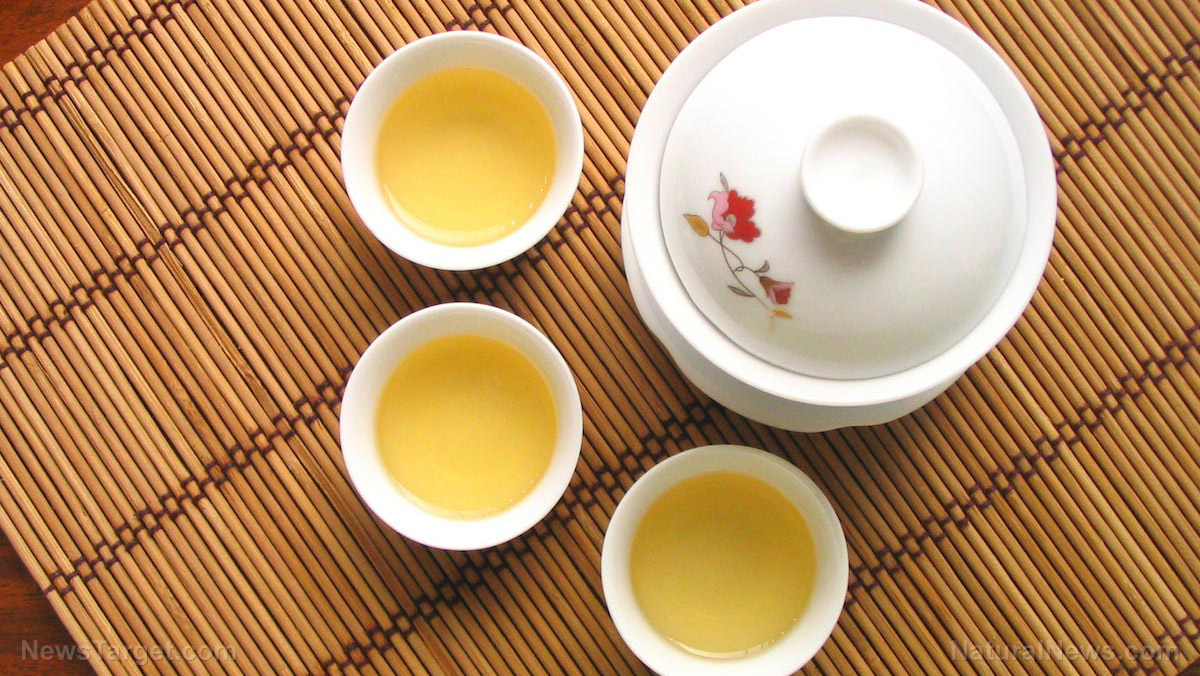
- Green tea’s catechins can aid liver health in NAFLD by reducing liver enzymes and inflammation, though it may cause a minor, harmless enzyme rise in healthy individuals.
- Other herbal teas like milk thistle, ginseng and ginger show promise for supporting the liver through anti-inflammatory and antioxidant properties, but their effects can be modest and require medical consultation due to potential side effects or drug interactions.
- Black and hibiscus teas may support liver health indirectly by improving metabolic factors like blood pressure, cholesterol and blood sugar, which are closely linked to NAFLD.
- Commercial “detox” or “cleanse” teas are dangerous and should be avoided, as they have been linked to cases of liver injury due to concentrated, unregulated ingredients.
- Tea is not a cure but a supportive dietary tool that offers a simple, proactive way to aid liver health as part of a broader management strategy for conditions like NAFLD.
In an era where chronic, lifestyle-driven illnesses are placing an unprecedented burden on the American healthcare system, a simple, ancient beverage is emerging from the steam of daily ritual with a compelling promise. For the millions of Americans grappling with liver disease, particularly the silent epidemic of non-alcoholic fatty liver disease (NAFLD), the daily cup of tea may offer more than warmth and comfort—it could be a tangible, accessible tool for supporting vital organ function. This is not a miracle cure, but a story of botanical science intersecting with a modern public health crisis.
The central premise is grounded in biochemistry made simple. Teas contain natural plant compounds, primarily antioxidants, which combat inflammation and neutralize harmful free radicals. Crucially for the liver, these compounds appear to assist in managing the accumulation of fat within the organ itself.
“Tea enhances the liver’s ability to metabolize toxins, reducing their harmful effects and aiding in their excretion,” said BrightU.AI‘s Enoch. “It supports the liver’s enzyme systems and protects the organ from injuries, including those caused by viral infections. Studies also correlate increased tea consumption with lower levels of markers indicating liver cell damage.”
The green standard: A double-edged leaf?
Foremost in the research is green tea, celebrated for its high concentration of catechins. For individuals already diagnosed with NAFLD, studies indicate green tea can help lower elevated liver enzymes, key markers of inflammation and damage. Intriguingly, the same research notes that in completely healthy adults, green tea may cause a minor, non-harmful rise in these enzymes. This underscores a critical truth: context is everything.
To understand why this matters, one must grasp the scale of NAFLD. It affects approximately one in four American adults and is intrinsically linked to obesity, type 2 diabetes and metabolic syndrome. Against this daunting backdrop, the notion of a supportive dietary staple like tea gains serious traction.
Herbal histories: Milk thistle and ginseng
Milk thistle tea contains a group of compounds known as silymarin. Early studies show promise, with NAFLD patients experiencing reductions in liver enzymes. However, larger scientific reviews conclude that while the effects are measurable, they are often modest.
Similarly, ginseng tea enters the arena with its own active compounds called ginsenosides. Laboratory studies suggest these may protect liver cells by reducing inflammation and slowing fibrosis. Yet, ginseng can interact with common medications and there are rare cases of liver injury associated with its use. This highlights a non-negotiable rule: No herbal intervention should be undertaken without a discussion with a healthcare provider.
The fermented and the floral: Black and hibiscus teas
Black tea, rich in polyphenols, is associated in observational research with a slightly lower risk of developing NAFLD. These are associations, not proven causes, but they add to a growing picture of dietary patterns influencing metabolic health.
Hibiscus tea offers a different pathway. Its potential liver benefits may be indirect but are no less relevant. Research indicates hibiscus can aid in lowering blood pressure, improving cholesterol and managing blood sugar. Since these metabolic factors are directly entangled with NAFLD, improving them inherently supports liver health.
The root of the matter: Ginger’s direct action
Ginger tea presents a compelling case with more direct evidence. The root’s well-known anti-inflammatory and antioxidant properties translate into specific liver support. Studies indicate ginger can lower levels of the key liver enzyme ALT and improve insulin resistance, both central issues in NAFLD. It is generally safe for most, with serious side effects being exceedingly rare.
A critical warning: The detox tea trap
The very concept of “liver health” has been commercially co-opted by a dangerous industry of “detox” and “cleanse” teas. These multi-ingredient blends, often laden with concentrated, unregulated herbs and laxatives, have been directly implicated in cases of liver injury. Experts unanimously advise avoiding these commercial detox blends in favor of simple, whole-leaf or single-ingredient teas consumed in moderation.
For millennia, herbal teas have been employed as gentle remedies. Today, modern science is beginning to decode why. The findings on these teas do not propose a magical elixir. They offer something perhaps more valuable: a semblance of agency. They suggest that within the daily rituals of life lies an opportunity for proactive, supportive care.
The narrative of tea and liver health is one of cautious optimism. A daily tea ritual will not reverse a poor diet, but for those engaged in the hard work of managing liver health, it can be a simple, comforting and scientifically plausible ally.
Watch this video about the book “The Healthy Liver and Bowel: Detoxification Strategies for your Liver and Bowel” by Dr. Sandra Cabot.
This video is from the BrightLearn channel on Brighteon.com.
Sources include:
Submit a correction >>
Tagged Under:
alternative medicine, anti-inflammatory, herbal intervention, liver funuction, liver health, natural cures, natural medicine, remedies, research, Study, tea
This article may contain statements that reflect the opinion of the author
RECENT NEWS & ARTICLES