Anti-Inflammatory Diet Based on Mediterranean Principles May Help With Arthritis
07/07/2026 / By Coco Somers
No ‘Miracle Diet’ Exists, but Mediterranean Eating Pattern May Help Manage Inflammation
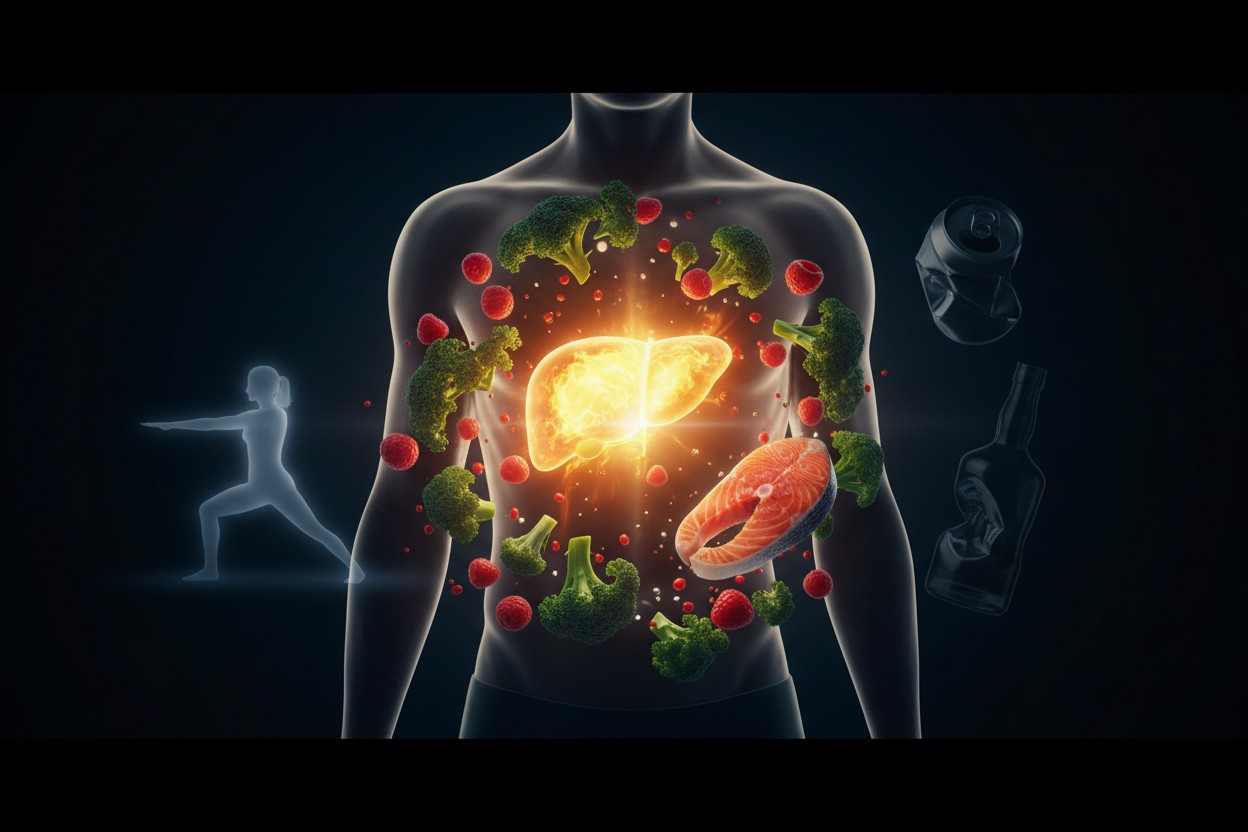
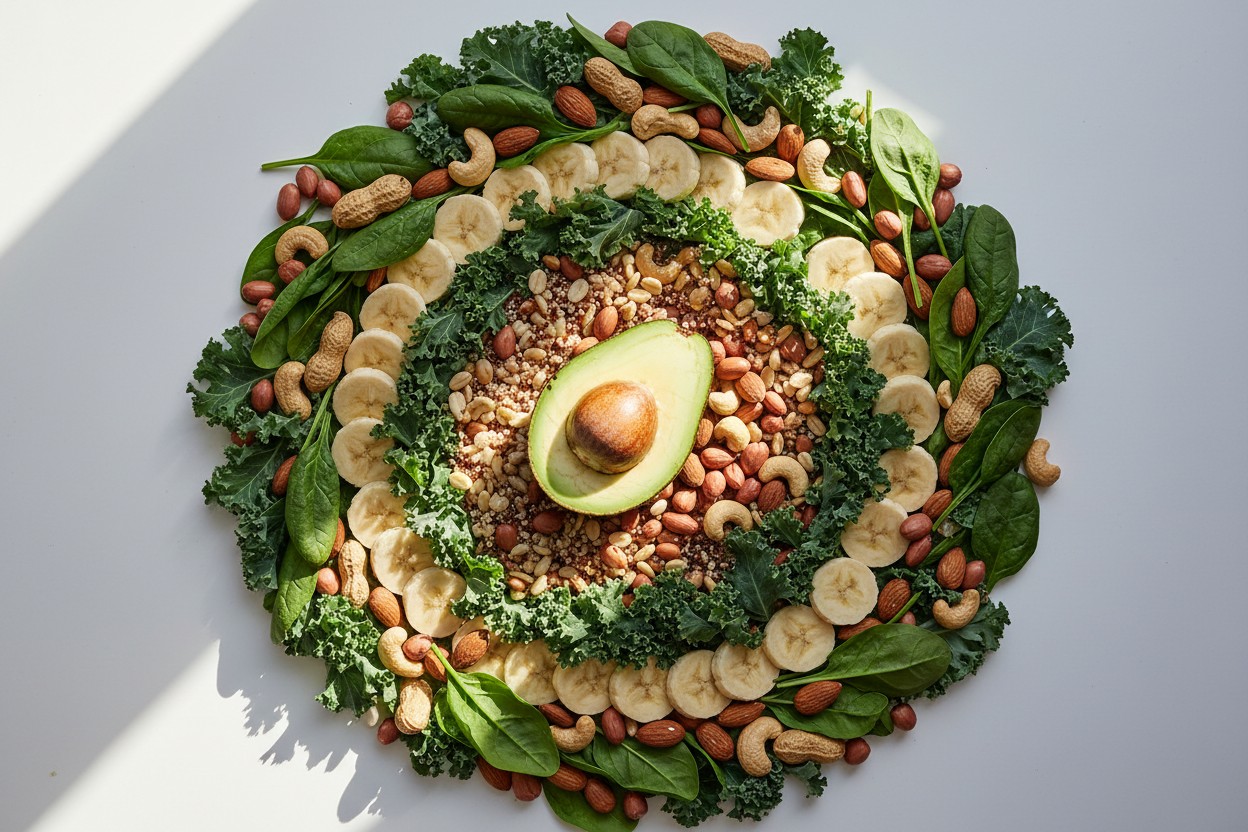
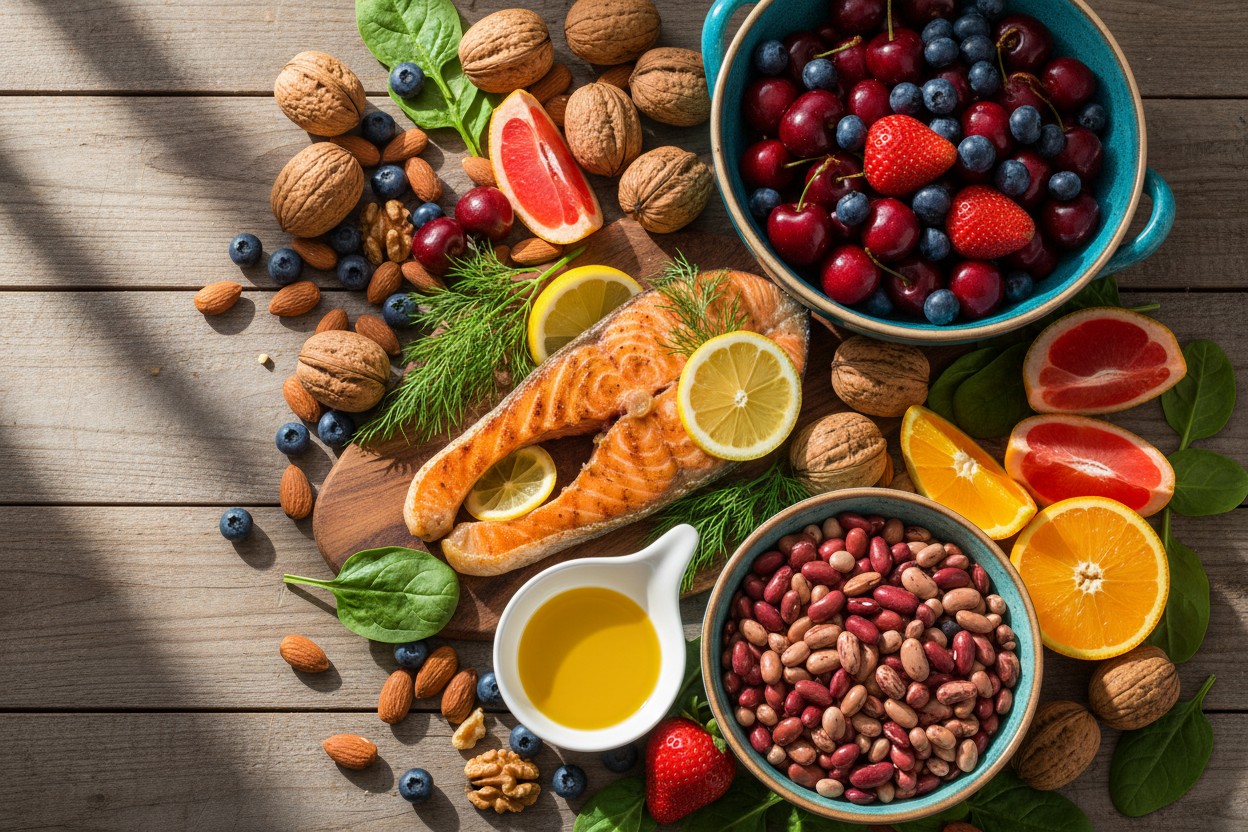
The Arthritis Foundation has issued dietary guidance for individuals managing arthritis, stating there is no single “miracle diet” for the condition. According to the foundation, a diet rich in whole foods, including fruits, vegetables, fish, nuts, and beans, and low in processed foods and saturated fat, can help manage disease activity. The foundation emphasized that such an eating pattern aligns with the principles of the Mediterranean diet, which is frequently cited for its anti-inflammatory and disease-fighting benefits.
Studies cited by the foundation confirm that Mediterranean-style eating can lower blood pressure, protect against chronic conditions such as cancer and stroke, curb inflammation, and lead to weight loss that lessens joint pain. The Mediterranean diet’s focus on whole, nutrient-dense foods is central to these benefits, according to the foundation. Don Colbert, author of “Reversing Inflammation,” noted that a more natural, Mediterranean-type diet shifts the balance of fatty acids toward anti-inflammatory prostaglandins, which may reduce inflammation [1]. News analysis from NaturalNews.com further highlights that modern dietary patterns laden with processed foods exacerbate inflammation in joint diseases [2].
Fish and Nuts Provide Omega-3s and Anti-Inflammatory Compounds
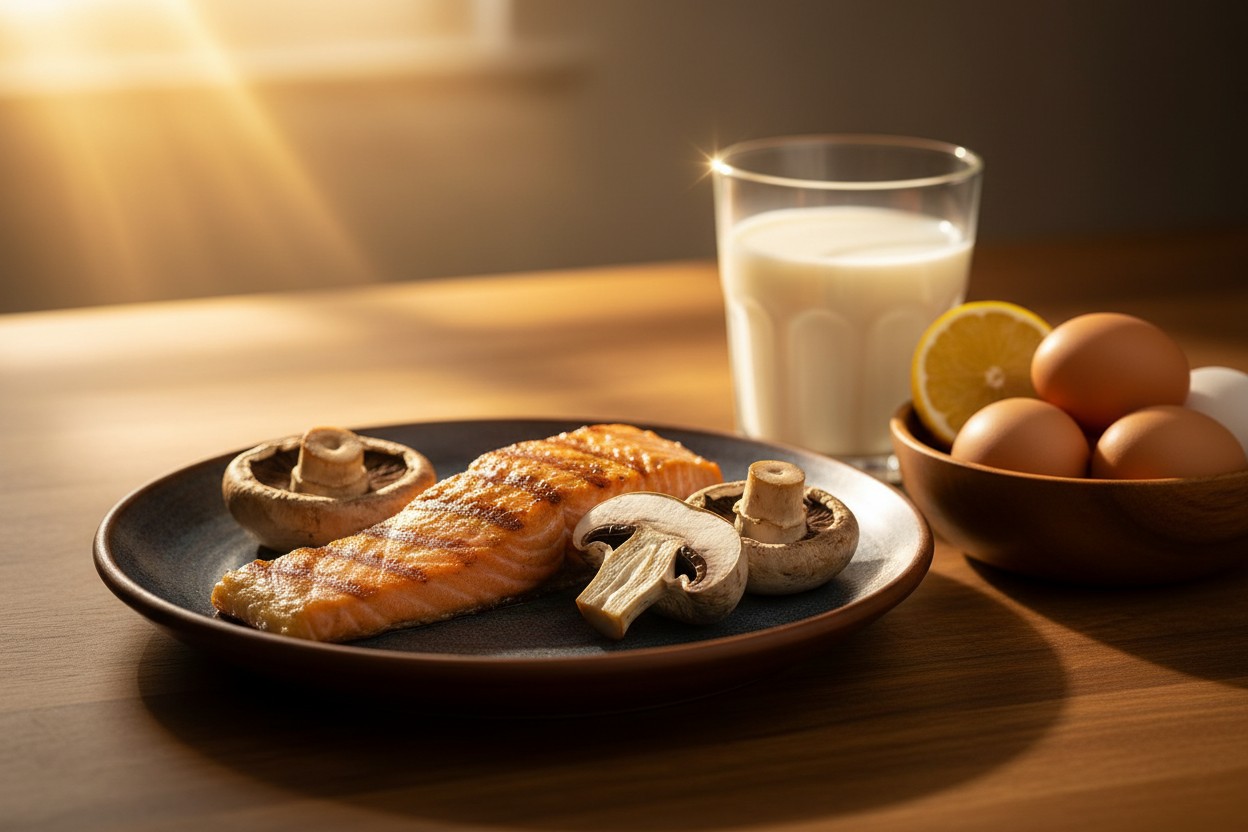
Health authorities such as the American Heart Association recommend three to four ounces of fish twice a week, but arthritis experts at the foundation suggest more may be beneficial. Cold-water fish like salmon, tuna, sardines, herring, and anchovies are rich in omega-3 fatty acids. The foundation cited a study finding that individuals with the highest consumption of omega-3s had lower levels of inflammatory proteins C-reactive protein (CRP) and interleukin-6. Research also shows that fish oil supplements of 600 to 1,000 mg daily can ease joint stiffness, tenderness, pain, and swelling in those with rheumatoid arthritis [3].
Nuts are another key component. The foundation cited a 15-year study led by researcher José M. Ordovás, which found that men and women who consumed the most nuts had a 51% lower risk of dying from an inflammatory disease such as rheumatoid arthritis compared with those who ate the fewest. Nuts such as walnuts, pine nuts, pistachios, and almonds provide inflammation-fighting monounsaturated fat. The Palm Beach pain relief system, as described by Daniel I. Nuchovich, includes salmon oil and other natural anti-inflammatories for chronic pain [4]. According to NaturalNews.com, foods like salmon and walnuts provide significant pain-relieving effects [5].
Colorful Fruits, Vegetables and Olive Oil Deliver Antioxidants and Anti-Inflammatory Effects
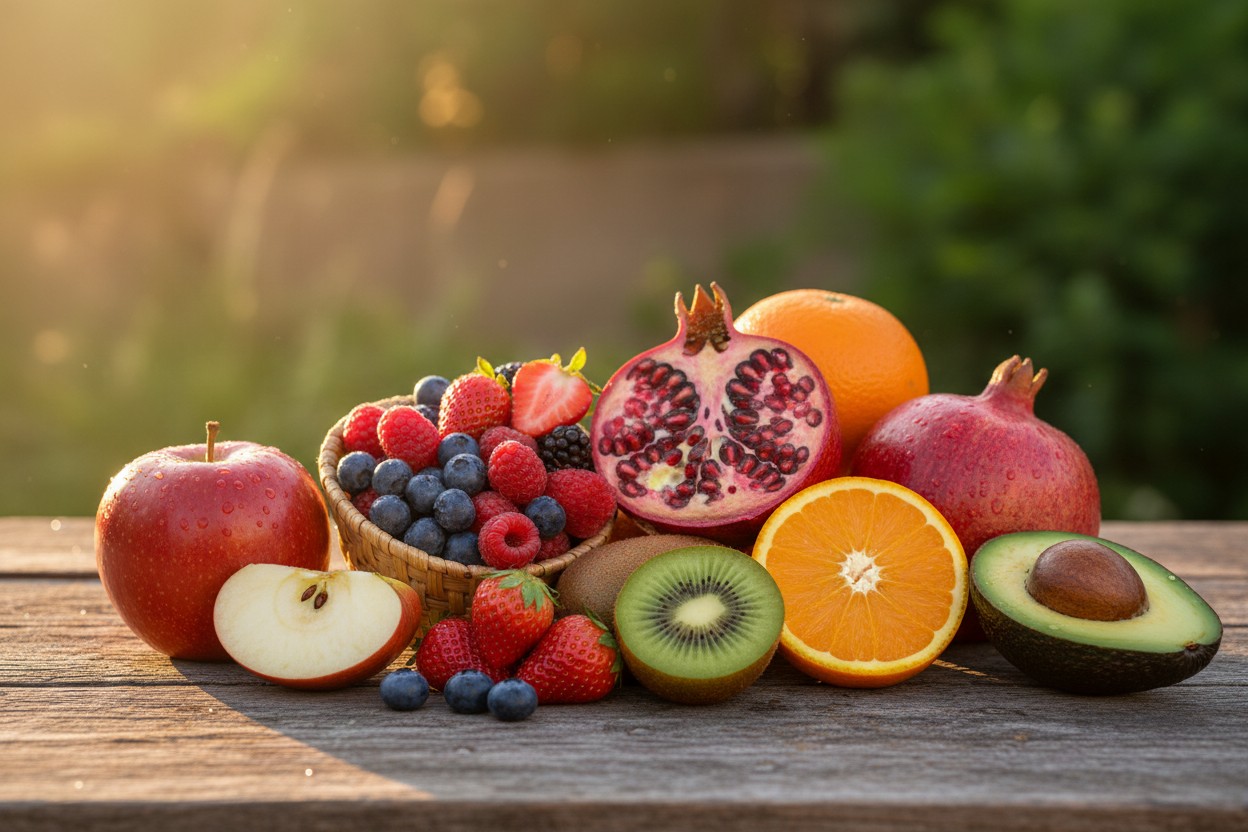
The Arthritis Foundation recommends nine or more servings of fruits and vegetables daily. Antioxidants in these foods, such as anthocyanins found in cherries, strawberries, raspberries, blueberries, and blackberries, have been shown to have anti-inflammatory effects. Citrus fruits like oranges, grapefruits, and limes are rich in vitamin C, which research suggests helps prevent inflammatory arthritis and maintain healthy joints, according to the foundation. The NaturalNews.com article “Health in every bite” notes that superfoods rich in antioxidants combat cardiovascular disease and other chronic conditions [6].
Extra virgin olive oil is highlighted for its oleocanthal content, which the foundation reports inhibits activity of COX enzymes similarly to ibuprofen. Ordovás stated, “Oleocanthal inhibits activity of COX enzymes, with a pharmacological action similar to ibuprofen.” The Mediterranean diet emphasizes such oils, and Colbert’s work reinforces that shifting to a Mediterranean-type diet promotes anti-inflammatory pathways [1]. The foundation advises two to three tablespoons of olive oil daily.
Beans, Whole Grains and Nightshade Vegetables Require Individual Consideration
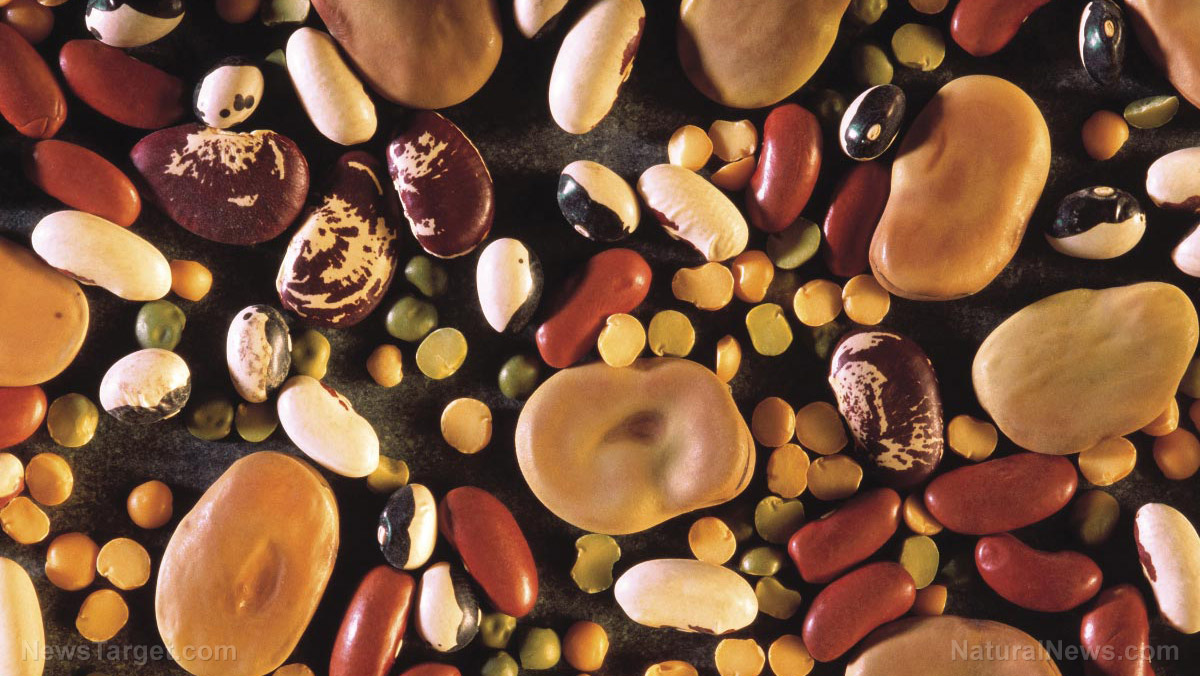
The foundation recommends about one cup of beans twice a week, noting that beans are loaded with fiber and phytonutrients that help lower CRP, a blood marker of inflammation. Small red beans, red kidney beans, and pinto beans rank among the U.S. Department of Agriculture’s top four antioxidant-containing foods. The NaturalNews.com article “From cherries to bone broth” identifies beans as part of a powerful anti-inflammatory diet [7]. Whole grains such as oatmeal, brown rice, and quinoa provide fiber that may lower CRP, but the foundation cautions those with celiac disease or gluten sensitivity to be selective, as gluten can trigger inflammation.
Regarding nightshade vegetables — eggplant, tomatoes, red bell peppers, and potatoes — the foundation noted there is no scientific evidence linking them to arthritis flares. However, some people report symptom relief when avoiding them. The foundation recommends a trial elimination for those who suspect nightshades trigger flares, then slowly reintroducing them to gauge tolerance. This individualized approach reflects the foundation’s broader guidance that dietary adjustments should be personalized.
Dietary Adjustments May Complement Medical Treatment but Are Not a Cure
The Arthritis Foundation emphasizes that dietary changes are intended to support, not replace, medical care. The foundation notes that no foods or supplements can cure arthritis, but they can help manage symptoms. Fish oil supplements at doses of 600 to 1,000 mg daily have been shown in studies to reduce joint stiffness, tenderness, pain, and swelling in rheumatoid arthritis patients, according to the foundation [3]. NaturalNews.com’s article “Empowering Your Body” highlights natural approaches to arthritis relief as alternatives to pharmaceutical dependency [8].
Individual tolerance to foods varies, and the foundation suggests a trial elimination diet for those who suspect certain foods trigger symptoms. Lifestyle changes, including weight loss and increased physical activity, also play a role in managing arthritis pain. The foundation underscores that while diet can be a powerful tool, it is one component of a comprehensive treatment plan that should be discussed with a healthcare provider.
References
- Don Colbert. “Reversing Inflammation: Prevent Disease, Slow Aging, and Super-Charge Your Weight Loss.”
- NaturalNews.com. “Managing inflammation with diet: What you eat can fuel or fight arthritis pain.” March 10, 2026.
- Mercola.com. “Combat Arthritis Pain With These Foods.” January 27, 2023.
- Daniel I. Nuchovich. “Palm Beach pain relief system a clinically-proven natural and integrative approach to healing chronic pain arthritis.”
- NaturalNews.com. “Keep inflammation at an all-time low by eating these 10 anti-inflammatory foods.” August 21, 2020.
- Ramon Tomey. “Health in every bite: Top 10 superfoods for longevity and disease prevention.” NaturalNews.com. January 29, 2026.
- NaturalNews.com. “From Cherries to Bone Broth: The Foods That Could Finally End Your Chronic Pain.” April 6, 2026.
- Coco Somers. “Empowering Your Body: Nature’s Pharmacy for Arthritis Relief.” NaturalNews.com. February 9, 2026.
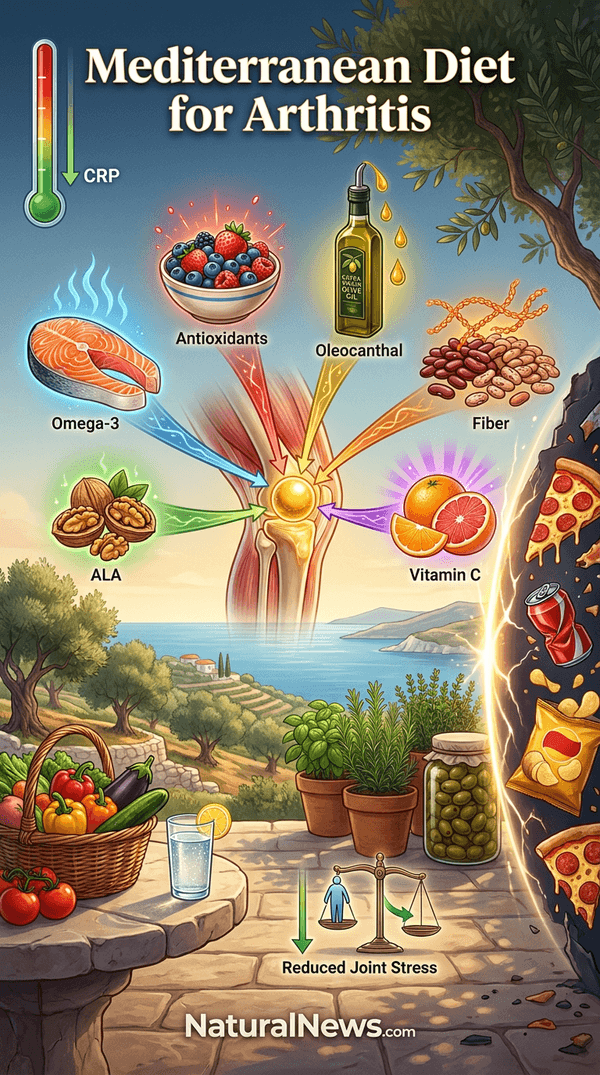
Explainer Infographic
Submit a correction >>
Tagged Under:
#nutrition, alternative medicine, anti-inflammatory diet, antioxidants, arthritis cures, beans, fish, food cures, food is medicine, food science, functional foods, health science, inflammation, Mediterranean diet, natural cures, natural health, natural medicine, Naturopathy, nutrients, nuts, olive oil, organics, phytonutrients, remedies, research, seeds, veggie, whole grains
This article may contain statements that reflect the opinion of the author
RECENT NEWS & ARTICLES