Lentils Offer High Protein, Fiber and Essential Nutrients, Experts Say
07/28/2026 / By Morgan S. Verity
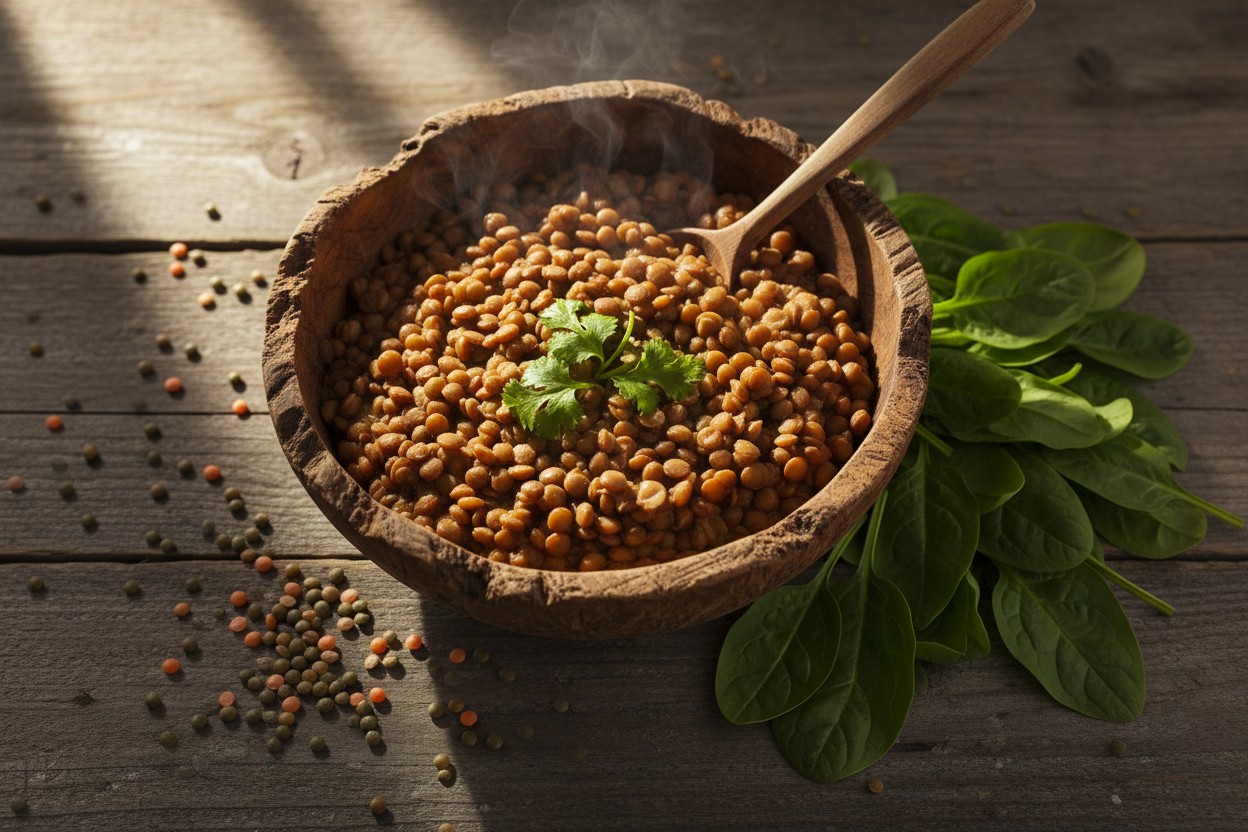
One cup of cooked lentils provides 17.9 grams of protein and 15.6 grams of fiber, exceeding the amounts found in two large eggs or a 5-ounce container of Greek yogurt, according to data from the U.S. Department of Agriculture‘s (USDA) FoodData Central system.
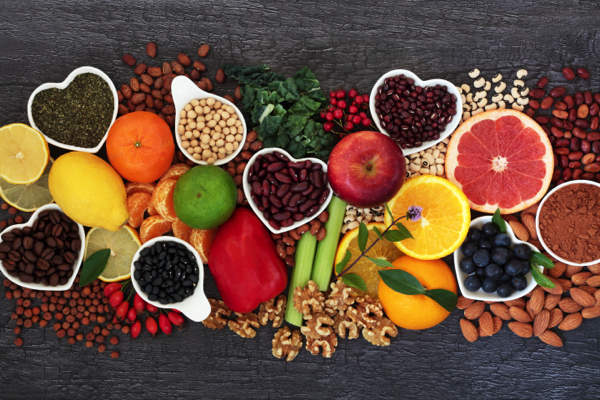
The figures place lentils among the most nutrient-dense plant foods available per serving, nutrition experts said. Lentils are a legume rich in plant protein, dietary fiber, folate, magnesium, iron and other micronutrients that support multiple aspects of health. Whole foods like lentils can provide equal or greater protein than a typical protein shake while also delivering fiber and minerals that processed supplements lack, according to a report published in NaturalNews.com [1].
Nutrient Profile of Lentils
According to USDA data, lentils and spinach lead the list of vegetables that provide over 35 percent of the daily value for iron per cooked cup serving [2]. A one-cup serving of cooked lentils contains 230 calories, 39.8 grams of carbohydrates, 17.9 grams of protein, 0.75 grams of fat and 15.6 grams of fiber, the database shows.
Beyond protein and fiber, lentils are high in folate (0.358 mcg), thiamine, copper, iron (6.59 mg), magnesium (71.3 mg), manganese, phosphorus (356 mg), potassium (731 mg), and zinc (2.52 mg), according to USDA figures. Gary Null, in his book “Healthy Woman Healthy Life: The Women’s Book of Alternative Healing,” wrote that one cup of lentils can provide as much as 65 percent of the minimum daily necessary dietary fiber [3].
Health Benefits of Lentils
Lentils contain magnesium and potassium, which help regulate blood pressure, and fiber that supports healthy blood lipid levels, according to nutrition researchers cited in a 2020 review in Nutrients. However, the broader body of evidence on legumes supports these claims. In her book “Your Total Health Handbook: Body, Soul, Spirit,” Marilyn Hickey wrote that beans – a category that includes lentils – reduce high blood pressure, lower cholesterol and prevent heart attacks and angina [4].
A study in the Journal of Nutrition found that people who consume legumes regularly have lower risks of hypertension and high cholesterol, researchers reported. Lentils’ fiber and protein also promote satiety, aiding weight management [5]. Moreover, a NaturalNews.com article on protein and fiber stated that the synergy of these two macronutrients enhances satiety and metabolic health [6].
Considerations for Consumption
Some individuals may experience gas and bloating when increasing their intake of lentils or other high-fiber legumes. Dietitians recommend gradually increasing fiber consumption over several days or weeks to allow the digestive system to adapt, as sudden high-fiber intake may lead to discomfort. A report on EverydayHealth.com titled “Fiber 101: How to Increase Your Fiber Intake Without Overdoing It” noted that fiber supports digestive health, but suggests starting with small amounts and drinking plenty of water [7].
According to dietary experts cited in a NaturalNews.com article titled “Dietary experts offer strategies for high-protein eating on a budget,” consumers can incorporate lentils into meals without adverse effects by cooking them thoroughly and pairing them with grains or vegetables that aid digestion [8].
Tips for Adding Lentils to the Diet and Conclusion
Lentils can be added to soups, stews, salads, veggie burgers, grain dishes and traditional Indian preparations such as dal and curry, according to culinary experts. A NaturalNews.com article from 2020 described lentils as one of the oldest known crops, traditionally cultivated across the Mediterranean and Middle Eastern regions, and noted their rich, nutty flavor in curries, stews and casseroles [9].
Red, green and French lentils vary in taste and texture; they are available canned or dried at most grocery stores. Incorporating lentils regularly can help consumers meet protein and fiber needs without animal products, nutritionists stated. Regular consumption of beans and legumes is associated with significant improvements in key health markers, including cardiovascular and metabolic function, according to a review of nutritional research reported by NaturalNews.com [10].
References
- Willow Tohi. “Beyond the shaker Whole foods emerge as potent protein powerhouses.” NaturalNews.com. February 17, 2026.
- Coco Somers. “Eight Vegetables Provide Significant Dietary Iron Data Shows.” NaturalNews.com. April 22, 2026.
- Gary Null. “Healthy woman healthy life the womens book of alternative healing.”
- Marilyn Hickey. “Your total health handbook body soul spirit.”
- “Powerhouse foods: The best protein and fiber sources for optimal health.” NaturalNews.com. April 6, 2026.
- Kevin Hughes. “PROTEIN and FIBER: Essential macronutrients for optimal health.” NaturalNews.com. March 29, 2026.
- “Fiber 101: How to Increase Your Fiber Intake Without Overdoing It.” EverydayHealth.com. July 25, 2026.
- “Dietary experts offer strategies for high-protein eating on a budget.” NaturalNews.com. June 23, 2026.
- Joanne Washburn. “8 Reasons why lentils should be part of a healthy diet.” NaturalNews.com. April 14, 2020.
- “Study Suggests Daily Bean Intake Linked to Improved Health Markers.” NaturalNews.com. March 30, 2026.
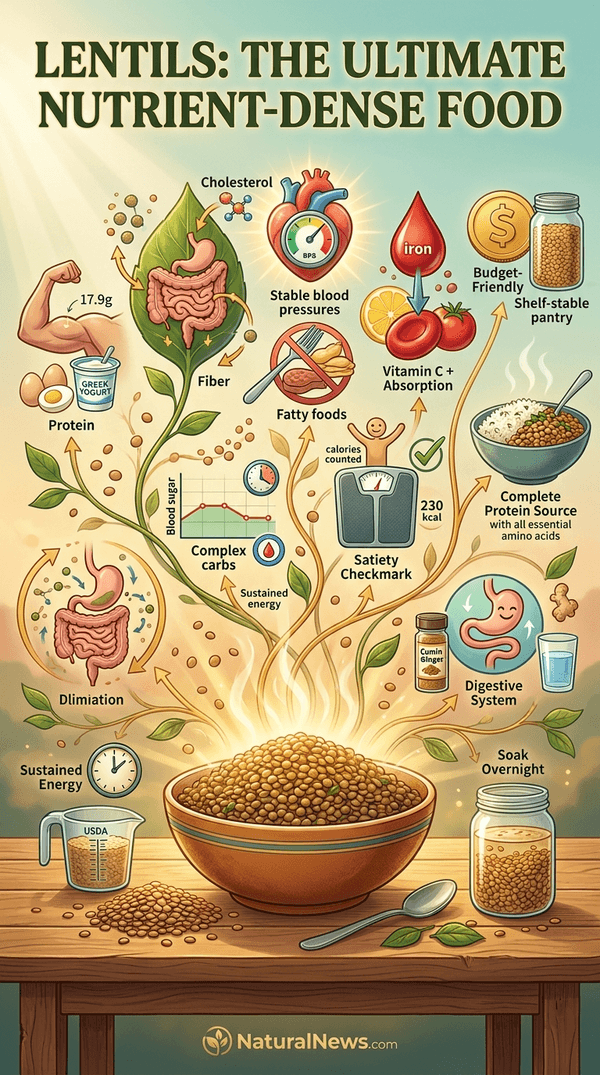
Explainer Infographic
Submit a correction >>
Tagged Under:
beans, food science, health science, ingredients, legumes, lentils, natural health, nutrients, organics, phytonutrients, plant-based protein, protein, veggie, Whole Foods
This article may contain statements that reflect the opinion of the author
RECENT NEWS & ARTICLES