Study Links Major Depression to 47% Higher Risk of Chronic Pancreatitis
09/19/2026 / By Belle Carter
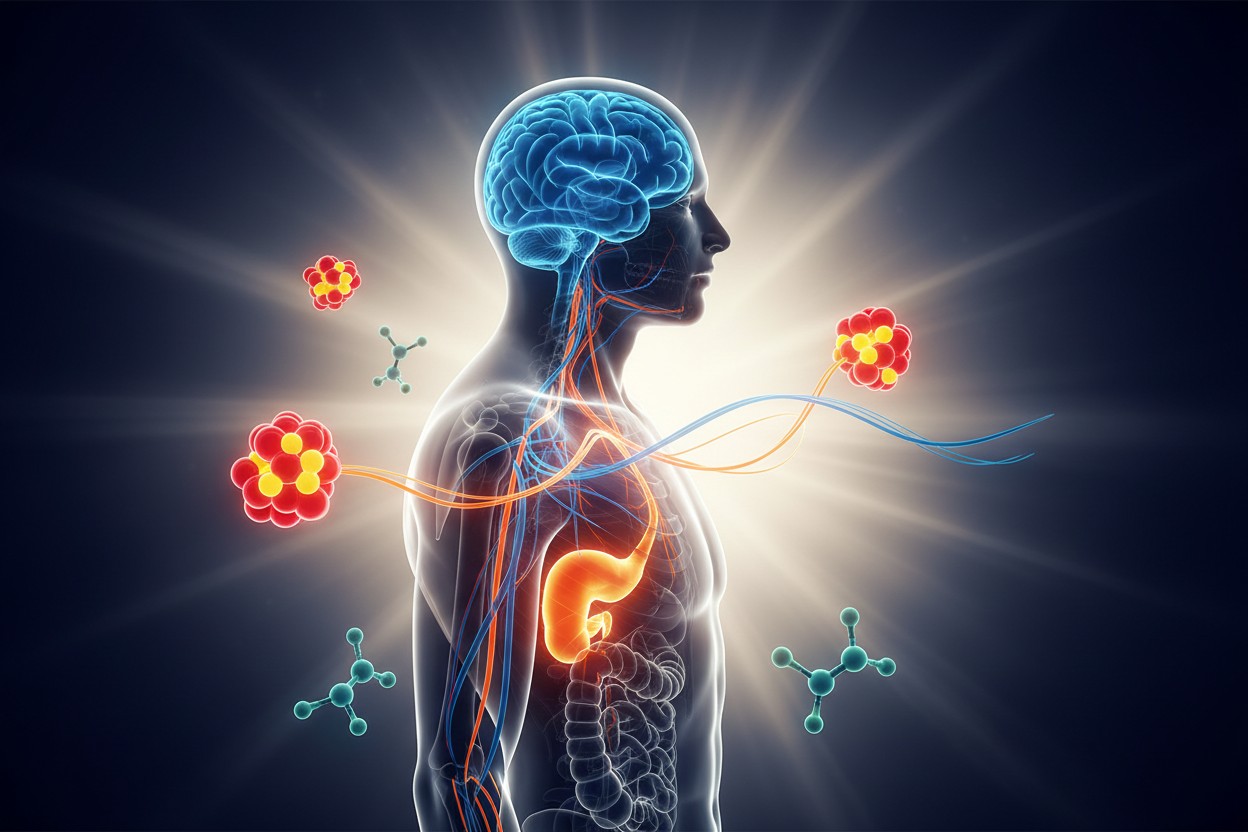
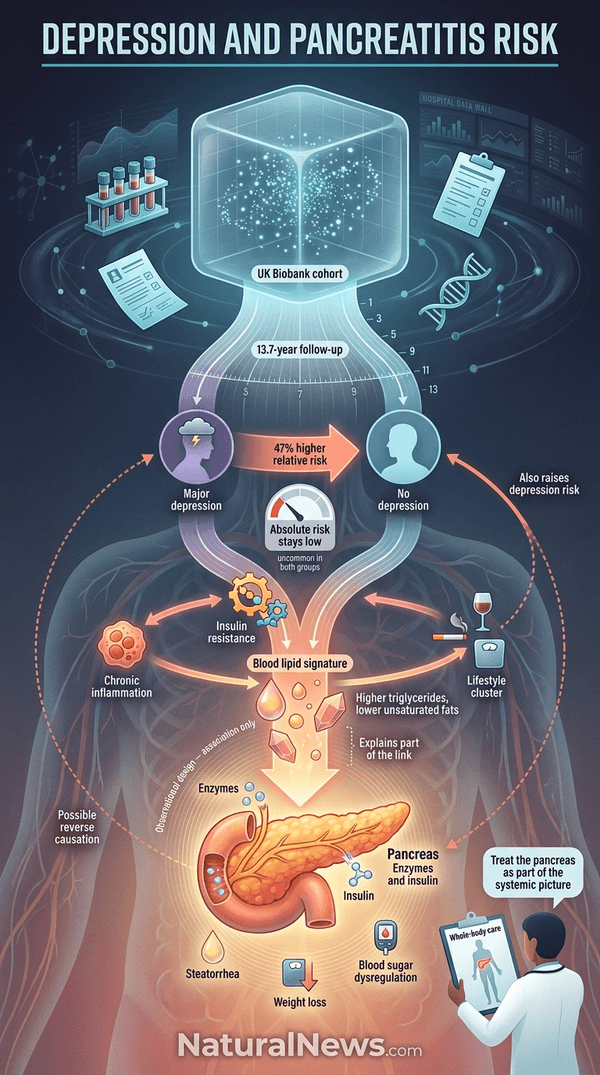
Adults with major depressive disorder had a 47% higher risk of developing chronic pancreatitis than adults without depression, according to a study published in Frontiers in Nutrition and reported by mindbodygreen on September 11, 2026. The findings were drawn from UK Biobank data covering 273,524 adults who had no pancreatic disease at the start of the study.
The report stated that chronic pancreatitis remained uncommon in both groups, meaning the elevated percentage does not translate into a high absolute risk for most people with depression. Researchers followed participants for a median of 13.7 years.
The study adds to a body of research examining how mental health conditions overlap with metabolic and inflammatory disease. Separate research has linked depression to chronic inflammation and metabolic dysfunction, with reports noting that chronic inflammation is tied to heart disease, diabetes, obesity and cancer [1].
Study Methods and Population
Researchers used the UK Biobank, a large longitudinal database that tracks participants’ health over time, according to the report. The analysis included 273,524 adults who were free of pancreas disease at baseline and followed them for a median of 13.7 years.
The stated objective was to determine whether major depressive disorder was associated with later development of chronic pancreatitis. Beyond the diagnosis data, researchers analyzed blood samples for metabolic markers including fats and cholesterol to test whether metabolic differences might help explain any connection.
Depression has been described in the scientific literature as a condition that intersects with biochemical, hormonal, immunological and neurodegenerative variables, producing a pro-inflammatory state [2]. Prior research has also linked insulin resistance to more than double the risk of major depression, with the triglyceride-to-HDL ratio used as a predictive measure [3].
Findings: Depression and Chronic Pancreatitis Risk
People with major depressive disorder had a 47% higher risk of developing chronic pancreatitis than people without depression, according to the study. The report stated that chronic pancreatitis was uncommon in both groups.
Chronic pancreatitis involves persistent inflammation of the pancreas that can cause ongoing abdominal pain and digestive problems. In more serious cases, it can interfere with digestion and blood sugar regulation, according to the report.
Researchers also observed differences in certain blood fats among people with depression, including higher levels of some triglycerides and lower levels of certain unsaturated fatty acids. Those metabolic patterns appeared to explain part of the association, the report stated, though researchers said this does not establish cause.
Metabolic Differences May Explain Part of Link
The study found higher levels of some triglycerides and lower levels of certain unsaturated fatty acids among participants with depression, according to the report. Those metabolic patterns appeared to explain part of the association between depression and chronic pancreatitis.
Depression can affect appetite, physical activity, stress hormones and blood sugar regulation, all of which influence how the body processes energy and fat, the report stated. Prior reporting has noted that mental state, including stress and depression, can alter inflammation levels in the body, with conditions such as obesity, insulin resistance, type 2 diabetes and heart disease all rooted in inflammation [4].
Other research has connected depression to cellular energy dysfunction rather than a simple chemical imbalance. A study published in March 2026 in Translational Psychiatry identified a link between depression and abnormalities in adenosine triphosphate production, the molecule that powers cellular processes [5].
Limitations and Confounding Factors
Because the study was observational, it cannot determine whether depression itself raises risk, whether metabolic changes play a larger role, or whether another factor is involved, researchers said. The report stated the finding is not proof of cause and effect.
People with depression in the study were more likely to smoke, drink alcohol, be less physically active, carry excess weight and have diabetes, according to the report. Several of those factors are tied to pancreatitis risk independently. Researchers accounted for many of these differences, and the association still held.
Separate research has documented dose-dependent links between cigarette consumption and clinical depression, with population-level evidence that smoking is associated with a higher lifetime risk of depressive illness [6]. Other work has found that social isolation and loneliness are associated with higher risks of frailty and death [7].
Takeaway and Recommended Actions
The report suggested several steps: movement most days, balanced meals when possible, consistent sleep, and asking a doctor about blood sugar and metabolic health at a next visit, especially for people managing depression. The report also stated that ongoing abdominal pain or digestive changes should be discussed with a doctor, whether or not depression is present.
The report stated, “This isn’t a reason to worry about your pancreas.” The study authors and the report characterized mental and physical health as connected systems, while stating that more research is needed to understand the relationship.
References
- Evangelyn Rodriguez. “Inflammation: The Key Link Between the Depression and Heart Disease Vicious Cycle”. NaturalNews.com. July 30, 2019.
- GreenMedInfo.com. “Magnesium: The Safe First Line of Defense for Clinical Depression”. GreenMedInfo.com. 2019.
- ANH International. “Weekly News Update Week 39 2021 — Insulin Resistance and Depression”. ANHinternational.org. September 29, 2021.
- Dr. Mercola. “Stress Hurts a Healthy Diet”. Mercola.com. October 06, 2016.
- Coco Somers. “Study Links Depression to Cellular Energy Dysfunction, Not Just Chemical Imbalance”. NaturalNews.com. May 16, 2026.
- NaturalNews.com. “The inextricable link: Landmark German study confirms smoking fuels depression risk”. NaturalNews.com. August 29, 2026.
- NaturalNews.com. “Study Links Loneliness and Social Isolation to Frailty and Shorter Lifespan”. NaturalNews.com. August 15, 2026.
- Mike Adams. “BBN Interview with Habib and Sean — The Dopamine Revolution”. Brighteon.com. October 9, 2025.
- Mike Adams. “Mike Adams interview with Leonard Coldwell”. Brighteon.com. November 11, 2024.
- PDFlib PLOP. “Is major depressive disorder a metabolic encephalopathy?”. Journal of Psychiatry & Neuroscience. 2008.
Explainer Infographic
Submit a correction >>
Tagged Under:
blood sugar, depression, digestive health, health risks, inflammation, lifestyle, major depressive disorder, mental, metabolic health, Mind, obesity, pancreas, pancreatitis, research, Type 2 Diabetes, UK Biobank
This article may contain statements that reflect the opinion of the author
RECENT NEWS & ARTICLES